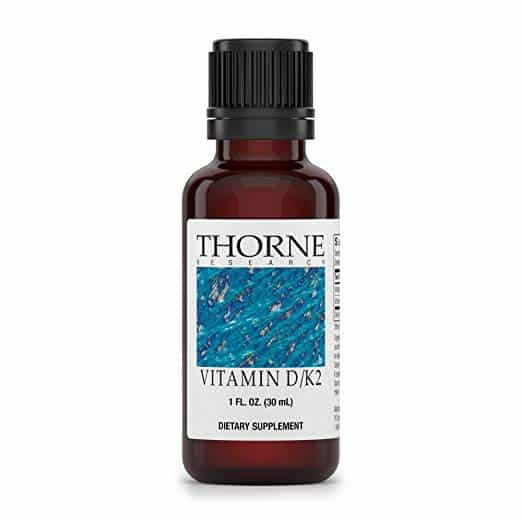

With the wide variety of nutritional supplements in the market, it would be no surprise if you get confused on what you should take. In particular, you might be surprised that vitamin K supplements have another type in the form of liquid K2, veg capsules, and tablets.
Liquid K2
- What Is Vitamin K2?
- Which One Is Better: Vitamin K1 or K2?
- Who Needs It?
- Signs of Vitamin K2 Deficiency
- How It Can Help if You Have a Disease or Condition
- How Much Do You Need?
- Choosing the Right Vitamin K2 Supplement
What Is Vitamin K2?
There are actually several types of Vitamin K. However, there are only two that humans should be concerned about with regard to their nutrition: vitamin K1 and vitamin K2.
Vitamin K1, also known as phylloquinone, is usually found in the green leafy vegetables from our diet. Phylloquinone comprises about 75 to 90% of our total vitamin K intake.
On the other hand, vitamin K2, or menaquinones, can be further divided into thirteen subtypes – MK-2 to MK-14. Out of these, MK-4, MK-7, MK-8, and MK-9 have the most nutritional relevance.
Vitamin K2 Belongs With D, A, and E
K2 on its own is good; K2 alongside its fat-soluble partners is how we actually take it — so that is what we bottle.
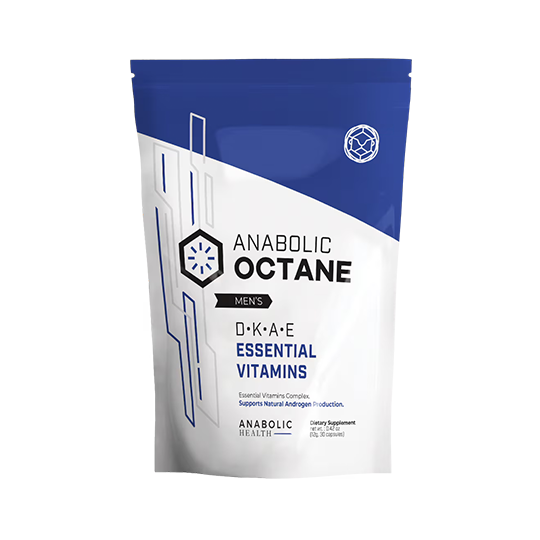
The four fat-soluble vitamins that matter most for male hormones — D, K2, A, and E — in ratios designed to work together, in one formula.
★★★★★ $19.95
Which One Is Better: Vitamin K1 or K2?
There should be no debate on which one of these is better for your health. Vitamin K1 and vitamin K2 are both needed to maintain a healthy body.
The difference between these two is in how often you can encounter each of these in your diet and what each of these vitamin K types do for your body.
Vitamin K1 can be more easily obtained through your diet. This is the reason it comprises at least three-quarters of your total Vitamin K intake.
This presents the problem as these two are both important for your body. Vitamin K1 is involved in clotting your blood while vitamin K2 is mostly for maintaining your cardiovascular and bone health.
Because of this, vitamin K2 supplementation has usually been given more importance over vitamin K1 supplementation. This does not mean menaquinones are more important. It simply means your body has a harder time getting it from your diet.
Who Needs It?
Everyone needs vitamin K2. But, if you’re showing signs of its deficiency or predisposed to diseases that it can address, it is crucial that you supplement with vitamin K2.
Signs of Vitamin K2 Deficiency
- You Get Easily Bruised
- Low Bone Density and High Incidence of Fractures
- Dental Cavities
- Autoimmune Disease
- Insulin Resistance
- Glucose Intolerance
- Poor Memory
How It Can Help if You Have a Disease or Condition
- Supplementation with vitamin K2 has been seen to lower the risk of cancer, atherosclerosis, and osteoporosis. If you have high risk for these diseases due to genetics, you might want to look into supplementing with the vitamin.
- Due to its role in regulating glucose, getting enough vitamin K can lower your risk for diabetes by as much as 50%.
- It can decrease the activity of rheumatoid arthritis. Combine with CBD for best effects, we recommend buy CBD oil Amazon.
- Vitamin K2 can reduce calcium deposits and prevent its build-up along your arteries which also lowers your risk for heart disease.
How Much Do You Need?
The recommended daily intake of vitamin K is 120 micrograms per day for adult men. There are no specifications as to how much vitamin K1 or K2 you should have per day. This is why you have to be conscious to include foods in your diet that are rich of these two vitamins.
Vitamin K1 can be found in green leafy vegetables like broccoli, brussel sprouts, and kale. As for vitamin K2, it can be found in eggs, fermented cheeses, and chicken dark meat.
As vitamin K directs calcium to your bones, vitamin D is the one increasing the absorption of calcium from your diet. Taking them together will compound the effects of the other for better overall health.
Choosing the Right Vitamin K2 Supplement
The best way to ensure you get the adequate amount of any vitamin is through supplementation. Whether you’re taking liquid K2 or capsule K2, make sure that you’re getting it from a manufacturer that has been certified to follow good manufacturing practices by the FDA and approved for quality by third-party organizations like the NSF.
Other than that, it is also recommended to maximize your vitamin K intake with vitamin D.