
Medically reviewed by Michael Jessimy, RPh — Research analysis by Alex Eriksson · Updated May 2026
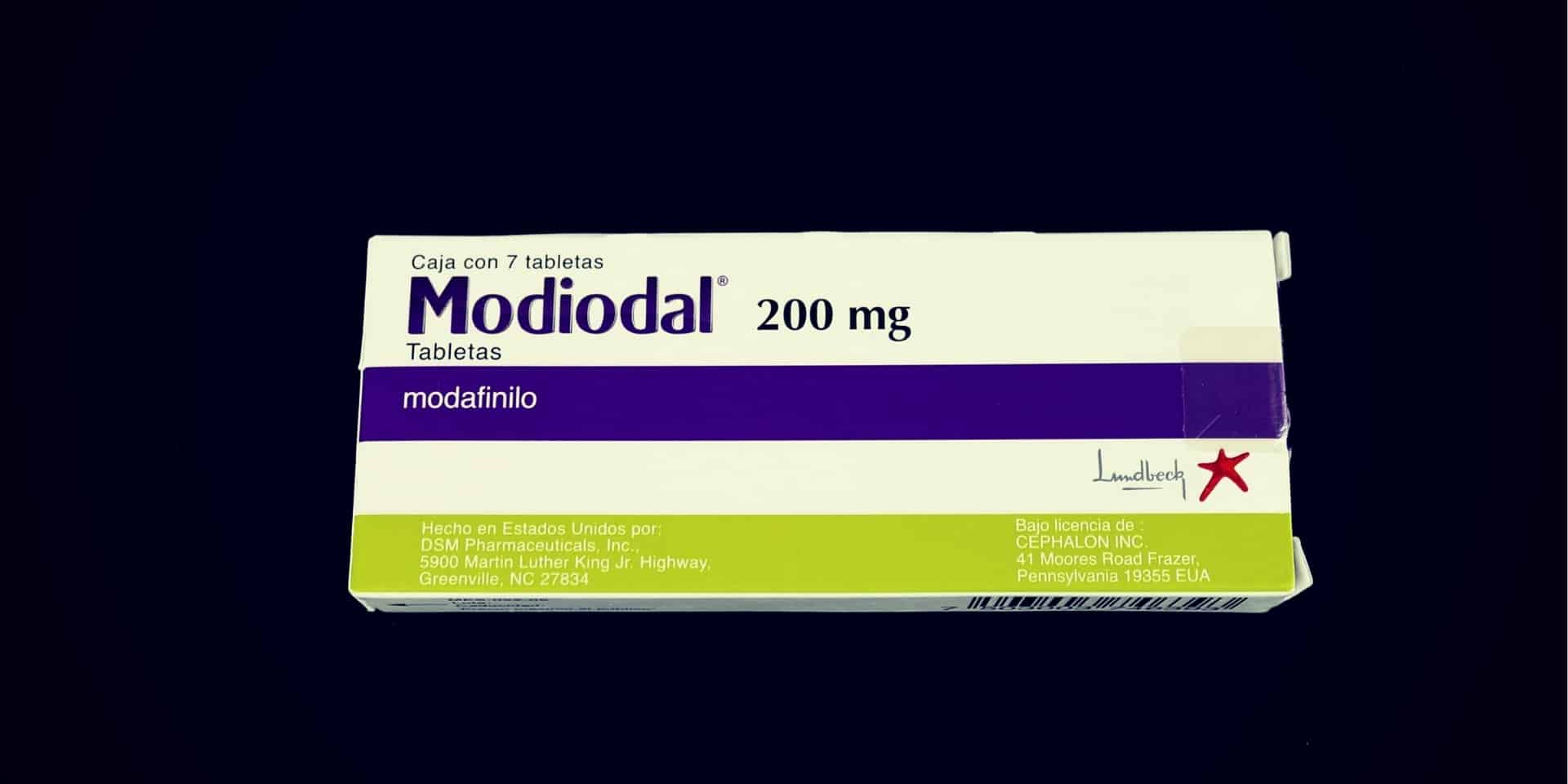
Adrafinil is a prodrug that the liver metabolises into modafinil, the prescription wakefulness-promoting agent. Adrafinil itself is unscheduled in many countries (US, UK), but in others it’s controlled like its active metabolite. The major documented dangers and side effects: (1) hepatotoxicity — adrafinil’s hepatic metabolism makes long-term liver function monitoring essential; cases of liver enzyme elevation are documented; (2) cardiovascular effects — modafinil/adrafinil can raise blood pressure and heart rate; concerning for men with cardiovascular conditions; (3) tolerance and dependence — reduced effectiveness with chronic use, withdrawal-like fatigue when stopping; (4) headaches, anxiety, insomnia — common short-term side effects; (5) psychiatric concerns — case reports of mania, psychosis, and depression in susceptible individuals.
The honest framing: adrafinil is functionally similar to modafinil but with worse safety profile due to liver metabolism. For wakefulness/cognition needs, working with a doctor for a modafinil or armodafinil prescription is the safer path than self-treating with adrafinil. For natural cognition support without prescription pharmacology, caffeine + L-theanine + sleep hygiene is more cost-effective and dramatically safer. Below: full pharmacology, the documented safety concerns, what the evidence actually shows, and safer alternatives.
Have you ever wanted to stay as motivated and awake as your friends? Or have you ever worked on a solo project and badly wanted to stay focused on it? Well, you’re not the only one.
Countless people have struggled with loss of concentration and motivation for specific tasks. This problem can hinder success in completing important tasks and could possibly lead to failure and disappointment.
To solve this issue, many rely on stimulant drugs to help them stay awake and motivated—regardless of what they’re doing. Among these stimulant drugs is Adrafinil, and in the following piece we will debunk myths and critical information about it.
Those who have been taking Adrafinil consider it a magic pill because it also improves memory and cognitive function. However, is it really such a smart move? In addition, what exactly is Adrafinil? There are Adrafinil dangers and side effects to be aware of from long term use.
The Dangers of Adrafinil Long Term
- Demystifying the Drug
- Scrutinizing the Science on Adrafinil
- Uncovering the Dangers of Adrafinil & Potential Side Effects
- Will You Make the Shift?
Adrafinil is known for its behavioral-activating effects, but unlike other stimulants, it has fewer side effects. The drug boosts concentration and acts as a mood enhancer in older people.
Demystifying the Drug
First, a little history. Adrafinil is a crystalline powder with a light sulfurous odor discovered by Louis Lafon Laboratories in France during the 1970s. It was introduced to the European market under the name Olmifon.
It was mainly prescribed to patients with sleep disorders that cause too much daytime sleepiness. In 2011, the drug was removed from the market and eventually its production was stopped.
Adrafinil is currently considered unregulated and it is not classified as a controlled substance in the US, UK, or Canada. Obviously, despite being initially removed from the market, there is still demand for it.
Why do people still use it?
There are only several published scientific articles about the benefits of Adrafinil though, and most of them are written in French. Surprisingly, the drug is more widely known to a bigger non-scientific audience.
To the layman, Adrafinil is an amazing nootropic that helps them stay focused on everyday tasks as well as fight fatigue and increase energy. It’s closely related to Modafinil.
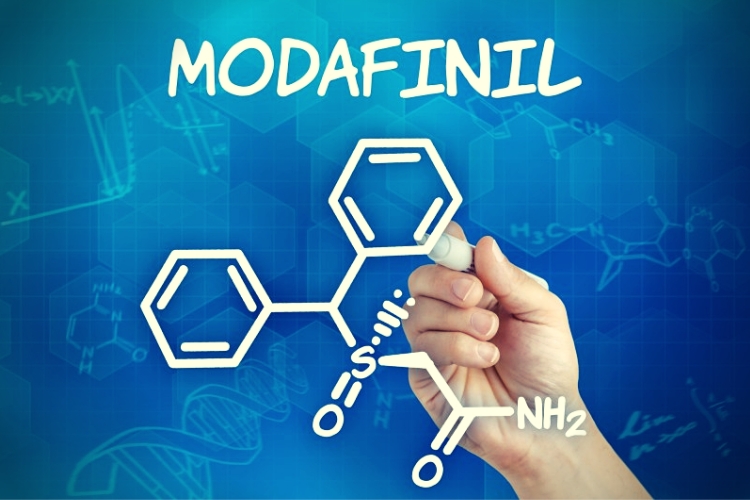
Both share the same benefits, effects, and drawbacks. But there is an important difference—Adrafinil is a prodrug, meaning it does not take effect until the body metabolizes it—into Modafinil.
Scrutinizing the Science on Adrafinil
It doesn’t hurt to know a bit of science, right? Adrafinil is a synthetic supplement that acts on the nervous system. Note that the nervous system is responsible for producing adrenaline.
You’ve probably heard the phrase “adrenaline rush” which is something that actually feels like a surge of energy during exciting and/or dangerous situations.
Adrenaline rush, in scientific terms, is known as the sudden release of adrenaline by the nervous system. When there is a sudden outburst of adrenaline, the body is essentially exhibiting a “fight-or-flight response”.
What explains the stimulating properties of Adrafinil? First, it increases the production of the hypocretin neurotransmitter. This triggers the release of other neurotransmitters such as histamine and norepinephrine.
As a result, energy levels are increased and the person is able to stay more alert. Adrafinil can also boost the production and prevent the breakdown of dopamine, a neurotransmitter which improves mood and reduces stress.
The production of another important neurotransmitter, serotonin, is also boosted by the drug. This, in turn, helps enhance the mood and reduces anxiety.
The cognitive-enhancing properties of Adrafinil are likely a result of both the stimulation of glutamate receptors and the prevention of glutamate breakdown, leading to enhanced brain and neuronal communication.
Better brain-neuron communication improves focus and memory. All in all, the drug improves memory, concentration, and mood, which in turn enhances daily work performance.
Uncovering the Dangers of Adrafinil & Potential Side Effects
Most of those who take Adrafinil don’t experience any serious side effects. As long as you follow the correct dosage, you don’t really have to worry about anything—at least in the short-term.
The drug’s reported side effects are mild and they include dizziness, headaches, stomach discomfort, and nausea. These side effects are actually quite normal since even supplements can cause them.
Others mention that they experience insomnia when taking Adrafinil during the day, while some report that the drug worsens their anxiety and/or irritability. Usually, these side effects are due to irregularities in taking the drug.
For example, insomnia caused by taking Adrafinil could be because the drug promotes wakefulness and so the later the drug is used, the greater the chances of it affecting a person’s sleep.
As you would expect, taking excessive doses can also lead to all sorts of serious problems. Doing this can significantly worsen existing health conditions, particularly those that affect the cardiovascular system.
If you think that Adrafinil is very safe, you might be right—though to be clear, it is not completely safe even with proper intake. Using the drug for an extended period of time actually has dangerous effects on your liver.
As mentioned, Adrafinil is a prodrug that only become active when it has been metabolized by the liver. While metabolizing the drug, the liver releases a great amount of enzymes.
In other words, the liver experiences a lot of stress! Overproduction of liver enzymes means that the liver cells could be damaged. Using Adrafinil for long periods may also cause serious skin conditions.
Stevens-Johnson syndrome, DRESS syndrome, and toxic epidermal necrolysis are just some examples. It is not hard to imagine just how bad those conditions are.

Will You Make the Shift?
Many claim that Adrafinil is completely safe, but there are those who’d surely say otherwise. The long-term effects are definitely there, and the fact that they take a long while to manifest is a big problem.
Why? Although everyone knows that prevention is better than cure, lots of people tend to focus on the short-term. They would rather enjoy the drug’s immediate effects. But are the benefits really worth the risk?
It is that very question that led many to search for other similar solutions—and some have chosen to take cannabidiol (CBD) instead, considering that it is a natural substance and proven safe both short- and long-term.
Knowing what you now know though, do you stick with the popular choice or will you finally shift to a much safer option? Well, it’s really up to you to decide.
Safer Alternatives to Adrafinil
For wakefulness and cognitive enhancement without adrafinil’s liver concerns:
- Foundational sleep hygiene — 7–9 hours, consistent schedule, dark cool bedroom, no screens 60–90 min before bed. The single most powerful cognitive performance lever.
- Caffeine + L-theanine: 100–200 mg caffeine + 200 mg L-theanine pairs caffeine’s wakefulness with L-theanine’s anxiety-buffering. Cleaner subjective experience than caffeine alone.
- Prescription modafinil/armodafinil: if you genuinely need pharmacological wakefulness support (shift work, narcolepsy), work with a doctor for proper diagnosis, prescription, and monitoring. Far safer than self-treating with adrafinil.
- Adaptogen layer: Ashwagandha 600 mg/day KSM-66 for stress resilience and cognitive resilience under stress.
- Substrate / hormonal foundation: Tongkat Ali 200–400 mg/day; men with low T frequently report cognitive symptoms that improve with T optimisation.
- Foundational vitamins: Anabolic Octane (D-K-A-E) for vitamin D (mood/cognition) + K2 + A + E.
For deeper protocols, see ashwagandha and testosterone, coffee for bodybuilding (caffeine performance), Cordyceps militaris, best supplements for men over 40, CBD oil for anxiety, and marijuana and testosterone.
The AH Stack-Friendly SKUs
- Ashwagandha — cortisol modulation; the Wankhede 2015 + Lopresti 2019 evidence.
- Tongkat Ali (Eurycoma longifolia) — testosterone substrate herb.
- Butea Superba — direct DHT and erection-quality support.
- Anabolic Octane (D-K-A-E) — vitamin D for cognition + K2 + A + E.
Frequently Asked Questions
Q: Is adrafinil legal?
A: Depends on jurisdiction. In the US, adrafinil is currently unscheduled and legal to purchase as a research chemical/dietary supplement (despite being a modafinil prodrug). In Australia, Canada, UK (since 2018), and many other countries, it’s controlled. Some sports anti-doping organisations ban it. Even where legal, regulatory status doesn’t equal safety.
Q: How does adrafinil compare to modafinil?
A: Adrafinil is metabolised to modafinil in the liver, which produces the wakefulness effect. Functionally similar end result; major difference is the liver metabolism creates additional hepatotoxicity risk that direct modafinil doesn’t. Onset is also slower (1–2 hours vs 30–60 min for modafinil). For most users, modafinil (prescription) is functionally superior and safer than adrafinil.
Q: What are the long-term liver effects of adrafinil?
A: Documented case reports show liver enzyme elevation (ALT, AST) with chronic use. Most cases reverse on cessation, but cumulative damage is possible. Long-term users should monitor liver function with periodic blood tests. Avoid in men with pre-existing liver disease or who consume significant alcohol. Don’t combine with other hepatotoxic substances.
Q: Can adrafinil be addictive?
A: Tolerance develops with chronic use; some users report increasing dose to maintain effect. Psychological dependence is documented. Physical withdrawal is milder than amphetamines but fatigue and mood changes during cessation are common. Cycle off periodically rather than continuous chronic use; respect the substance.
Q: What’s a safer alternative to adrafinil?
A: For wakefulness specifically: caffeine + L-theanine has dramatically better safety profile and works for most needs. For pharmaceutical-grade cognitive enhancement: get a modafinil prescription from a doctor (proper diagnosis, monitoring, lower hepatotoxicity than adrafinil). For chronic fatigue: address underlying causes (sleep, stress, hormonal status, nutrition) rather than masking with stimulants.